

Exploring the Diverse World of Cartomancy and Its Decks
Updated: Jul 6
Cartomancy: A Journey into the Art of Card Divination
Cartomancy, the art of divination using cards, has fascinated people for centuries. Many seekers and readers often ask about the different types of decks available and which one might be the best fit for them. The truth is, there is no single best deck or tradition. Each deck offers unique insights and resonates differently depending on the individual. This post aims to clarify the main types of decks used in cartomancy, focusing on their history, structure, and how they can serve your journey.

What Is Cartomancy?
Cartomancy is a form of fortune telling that uses cards to gain insight into the past, present, or future. It began in the 14th century with the introduction of playing cards in Europe. Over time, different traditions and decks emerged, each with its own style and symbolism. Practitioners, known as cartomancers or card readers, use these decks to interpret messages and guide seekers through life's questions.
The key to successful cartomancy lies in choosing a deck that feels right for you. Some decks are more structured and traditional, while others offer flexibility and creativity. Understanding the main types of decks helps you make an informed choice.
Tarot Cards: The Classic and Structured Deck
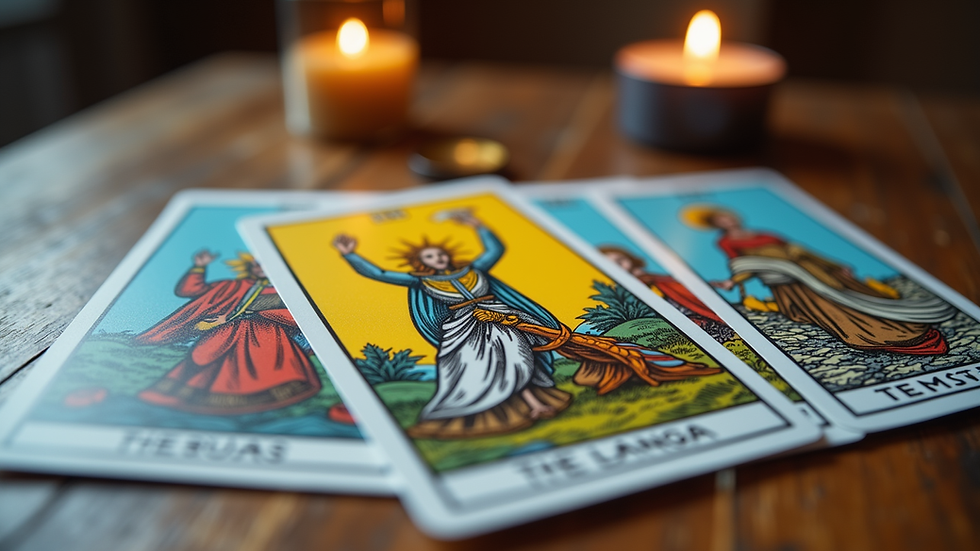
Tarot cards are the most well-known and widely used deck in cartomancy. They have a rich history and a defined structure that sets them apart from other decks.
Structure and Composition
A typical Tarot deck contains 78 cards divided into two main groups:
Major Arcana (22 cards): These cards represent significant life themes and archetypes. They often address major events or turning points in a reading. Examples include The Fool, The Lovers, and Death.
Minor Arcana (56 cards): These cards focus on everyday situations and are divided into four suits:
- Cups (emotions and relationships)
- Wands (creativity and action)
- Swords (conflict and intellect)
- Coins or Pentacles (material matters and work)
Each suit has 14 cards: numbers 1 through 10 plus four court cards — King, Queen, Knight, and Page. Some decks replace traditional suits with symbols that fit their theme, such as Brooms or Stones, but the meanings generally stay consistent.
Reading Style and Tradition
Tarot readings often follow specific spreads and rules. The cards' meanings are well-established, which helps readers interpret messages with clarity. Because Tarot covers both positive and negative aspects of life, it sometimes gets a reputation for being dark or ominous. In reality, Tarot offers a balanced view, helping seekers understand challenges and opportunities alike.
Example of Tarot Use
Imagine a seeker asking about their career path. Drawing The Chariot from the Major Arcana might suggest determination and forward movement, while the Three of Coins from the Minor Arcana could indicate teamwork and skill development. Together, these cards provide a nuanced answer.
Playing Cards: The Everyday Deck with Hidden Depths
Standard playing cards, familiar to many as a game tool, also serve as a powerful cartomancy deck. This tradition is sometimes called "ordinary card reading" or "playing card divination."
Deck Composition
A standard playing card deck has 52 cards divided into four suits:
Hearts (emotions and relationships)
Diamonds (money and material concerns)
Clubs (work and creativity)
Spades (challenges and conflict)
Each suit contains cards numbered 2 through 10, plus four face cards: King, Queen, Jack, and an Ace. Some readers include Jokers as wild cards with special meanings.
Reading Style
Playing card readings tend to be simpler and more flexible than Tarot. They often focus on practical advice and daily life questions. Because the deck is smaller and less symbolic, readers rely more on intuition and context.
Example of Playing Card Use
If a seeker wants to know about a new relationship, drawing the Ace of Hearts might signal new emotional beginnings, while the Queen of Clubs could represent a supportive, creative partner. The cards provide straightforward guidance without complex symbolism.
Oracle Decks: Freedom and Creativity in Cartomancy
Oracle decks are a broad category of divination cards that do not follow the strict structure of Tarot or playing cards. They vary widely in size, theme, and style.
Characteristics of Oracle Decks
No fixed number of cards; decks can have anywhere from 30 to over 100 cards.
Themes can range from angels, animals, and nature to abstract concepts.
Meanings are often provided by the deck creator, but readers are encouraged to use their intuition.
Reading Style
Oracle decks offer a more open and personal approach to readings. They are ideal for seekers who want gentle guidance or inspiration rather than detailed predictions. Because of their variety, oracle decks can suit many tastes and spiritual paths.
Example of Oracle Deck Use
A deck themed around animals might include a card like "The Owl," symbolizing wisdom and insight. Drawing this card could encourage the seeker to trust their inner knowledge during a difficult decision.

Choosing the Right Deck for You
With so many options, selecting a deck can feel overwhelming. Here are some tips to help you find the right fit:
Consider your goals: Are you looking for detailed guidance, daily advice, or spiritual inspiration?
Explore the artwork: Choose a deck whose imagery speaks to you emotionally.
Try before you buy: Many readers recommend handling decks in person or viewing online galleries.
Trust your intuition: The best deck is the one that feels comfortable and meaningful.
The Journey of Cartomancy
Cartomancy offers a rich world of decks and traditions, each with unique strengths. Tarot cards provide structure and deep symbolism, playing cards offer simplicity and practicality, and oracle decks invite creativity and personal connection. No deck is better than another; the right choice depends on your needs and preferences.
Exploring different decks can deepen your understanding of cartomancy and enhance your readings. Whether you are a seeker or a reader, take time to connect with the cards that resonate with you. Your journey with cartomancy will grow stronger when you work with a deck that feels like a true companion.
Start by exploring one deck, learn its language, and see where it leads you. The world of cartomancy is waiting to reveal its insights.
Conclusion
In conclusion, cartomancy is not just about the cards. It's about the connection you build with them. As you delve into this mystical practice, remember that your intuition is your greatest guide. Embrace the journey, and let the cards speak to you.
For those seeking deeper insights, consider exploring Rock Collage for personalized wellness practices and ethically sourced metaphysical tools. Your path to holistic healing and spiritual growth begins with the right deck.


Comments