

Phosphosiderite Meaning, Healing Properties, Chakra Uses and Origins

Updated: Sep 8
"Phosphosiderite: The Gentle Crystal for Spiritual Healing"
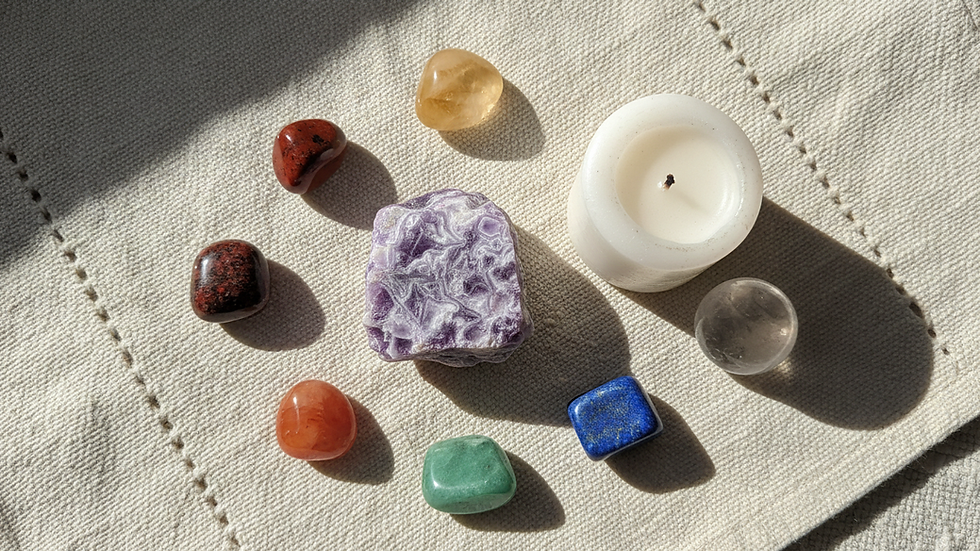
Phosphosiderite looks like somebody bottled a lavender sunset, turned it into stone, and said, “Here, hold this when life gets noisy.” Soft lilac, violet, pinkish purple, sometimes with creamy streaks, this calming crystal has a quiet kind of beauty. No glitter cannon. No drama llama. Just peaceful, dreamy, “take a breath” energy.
And yes, it’s a real mineral, not just a pretty name that sounds like a wizard sneezing.
Phosphosiderite is loved by crystal collectors for its color and by fans of spiritual stones for its gentle, reflective feel. In this guide, we’ll cover what phosphosiderite is, where it comes from, what people mean by its healing properties, how to use it with chakras and zodiac signs, and why choosing a carefully sourced piece from Rock Collage can make the experience feel even better.

What is Phosphosiderite and Why Does It Have That Dreamy Color?
Phosphosiderite is a phosphate mineral made mostly of iron, phosphate, and water locked into its natural structure. Its name comes from two roots: “phospho,” for phosphate, and “sideros,” the Greek word for iron. So the name basically means “iron phosphate,” which is accurate, if slightly less magical than “moon grape stone.” We work with what we’ve got.
Geologically, phosphosiderite forms in phosphate-rich environments, often as a secondary mineral. That means it can develop when earlier minerals change over time through natural processes involving water, heat, pressure, and chemistry. It’s often found in massive or compact forms rather than crisp, sparkly crystals.
Its colors can include:
Pale lavender
Lilac purple
Rose violet
Reddish purple
Soft grayish purple
Creamy or yellowish veining in some pieces
That lilac color is the big reason people notice phosphosiderite. It feels soothing before anyone even starts talking about energy work. The stone has a soft, matte-to-waxy look when polished, which gives it a cozy, almost “worry stone” personality.
Some phosphosiderite comes from areas known for phosphate minerals, including parts of South America and other regions where iron and phosphate minerals occur together. Exact origin can vary by specimen, so if origin matters to you, ask before buying. A good seller should be able to share what they know without making up a dramatic crystal biography.
Phosphosiderite Meaning and Metaphysical Properties
In the crystal world, phosphosiderite is often called a stone of spiritual healing, emotional calm, and gentle inner work. It’s not a loud “get up and conquer the world” stone. It’s more like a wise friend who hands you tea and says, “Okay, tell me what’s really going on.”
People commonly use phosphosiderite for:
Quieting mental chatter during meditation
Supporting emotional softening after stress
Encouraging compassion toward yourself and others
Helping create a peaceful sleep routine
Supporting spiritual reflection and intuitive work
These are metaphysical beliefs, not medical claims. Crystals can be meaningful tools for focus, ritual, and mindfulness, but they don’t replace care from a licensed health professional. If something serious is going on, please don’t ask a rock to do a doctor’s job. Even the prettiest purple stone has limits.
That said, objects can absolutely help create habits. A phosphosiderite stone by your bed may remind you to put down your phone, stretch, breathe, or journal. A palm stone can become a grounding cue when you’re overwhelmed. The magic may be spiritual, symbolic, psychological, or all three, depending on how you see the world.
Think of phosphosiderite as a quiet anchor. It doesn’t fix your whole life, but it can help you pause long enough to hear yourself think.

How to Use Phosphosiderite in Daily Rituals
You don’t need a complicated ceremony, a velvet cloak, or a soundtrack of whale noises to work with phosphosiderite. Unless you want those things, in which case, live your truth.
Here are simple ways to use it.
Hold It During Meditation
Sit comfortably and hold phosphosiderite in your palm. Breathe slowly. Let the stone be a reminder to soften your shoulders and stop rehearsing imaginary arguments in your head. We’ve all done it. Some of us could win imaginary court cases.
Try this for 5 to 10 minutes:
Hold the stone near your heart or in your non-dominant hand.
Breathe in for four counts.
Breathe out for six counts.
Repeat a phrase like, “I am safe to slow down.”
Keep It by Your Bed
Many people associate phosphosiderite with peaceful sleep and dream work. Place it on a nightstand, not under your body where it can poke you at 2:00 a.m. like a tiny purple gremlin.
Pair it with a simple bedtime ritual:
Dim the lights.
Write down one worry and one thing you’re grateful for.
Hold the stone for a minute.
Let your mind shift from problem-solving to resting.
Use It as a Pocket Stone
A small tumbled piece or palm stone can act as a touchstone during the day. When stress spikes, hold it and take three slow breaths. The stone isn’t doing your taxes or answering your emails, sadly, but it can remind your nervous system that not every moment needs a five-alarm response.
Place It in a Calm Corner
Phosphosiderite works beautifully in a meditation area, reading nook, altar, or beside a favorite chair. Because it’s often gentle in color, it blends well with soft room decor and other calming stones.
Phosphosiderite Chakra and Zodiac Associations
Phosphosiderite is most often linked with the third eye chakra and crown chakra. Some people also connect it with the heart because of its gentle emotional tone.
Here’s the simple version.
| Association | Why People Connect It with Phosphosiderite |
|-------------|---------------------------------------------|
| Third Eye Chakra | Supports intuition, inner reflection, dream work, and quiet insight |
| Crown Chakra | Encourages spiritual connection, prayer, meditation, and trust |
| Heart Chakra | Helps soften emotional tension and invite compassion |
For chakra practice, place phosphosiderite near the center of the forehead during meditation for third-eye work, or above the head for crown-chakra reflection. Keep it comfortable and practical. If balancing a stone on your forehead makes you tense, place it nearby instead. Spiritual practice shouldn’t feel like a circus skill.
Phosphosiderite vs. Tsavorite: Clearing Up the Confusion
The brief for this stone sometimes gets tangled with tsavorite, so let’s clear that up quickly. Phosphosiderite and tsavorite are not the same thing.
Tsavorite is a green variety of garnet. It’s known for its rich green color and is often used in jewelry. Phosphosiderite is usually lilac to purple and is mainly loved as a collector’s stone, meditation stone, or polished display piece.
They feel totally different visually:
| Stone | Common Color | Common Use |
|----------------|---------------------------------------|----------------------------------------|
| Phosphosiderite | Lilac, lavender, violet, pinkish purple | Meditation, collecting, calming rituals |
| Tsavorite | Bright to deep green | Jewelry, collecting, heart-centered symbolism |
So if you’re searching for “phosphosiderite chakra” or “phosphosiderite healing properties,” you’re in lavender land, not green garnet country.
Why Get Your Phosphosiderite at Rock Collage?
When you’re buying a stone like phosphosiderite, photos and trust matter. Color can vary a lot from piece to piece. Some stones look pale and dreamy. Others show deeper violet tones, creamy matrix, or natural surface patterns.
Rock Collage is a good place to look because a thoughtful crystal shop can help with the little details that make a big difference:
Clear photos that show the stone’s real color and shape
Pieces chosen for beauty, energy, and display appeal
Helpful descriptions that don’t require a geology degree
A range of options for collectors, beginners, and gift-givers
A more personal buying experience than grabbing a mystery rock and hoping for the best
That last part matters. Buying crystals should feel fun, not like decoding a treasure map written by a raccoon.
If you’re choosing phosphosiderite for meditation, look for a shape that feels good in the hand, like a palm stone, tumble, or smooth freeform. If you’re choosing it for display, pay attention to color, pattern, and polish. If it’s a gift, phosphosiderite is a sweet choice for someone going through change, healing emotionally, building a meditation habit, or simply obsessed with purple. A very valid personality trait.

How to Care for Phosphosiderite
Phosphosiderite is better treated gently. It’s not the stone to toss loose into a bag with keys, coins, and the ancient granola bar you forgot about.
Use these care tips:
Wipe it with a soft, dry cloth.
Keep it away from harsh cleaners.
Don’t soak it for long periods.
Store it separately from harder stones when possible.
Keep it out of strong, direct sunlight to help preserve the color.
For energetic cleansing, choose gentle methods. Smoke cleansing, sound, moonlight, or placing it near a bowl of dry herbs are common options. If you use water briefly, dry it right away, but dry methods are the safer bet.
The Takeaway on Phosphosiderite
Phosphosiderite is a lilac-purple mineral with a calm, spiritually reflective reputation. Geologically, it’s an iron phosphate mineral. Metaphysically, people use it for meditation, emotional softness, third-eye work, crown-chakra connection, and peaceful daily rituals.
It’s not flashy, and that’s the charm. Phosphosiderite doesn’t shout for attention. It quietly sits there looking like lavender learned how to become a rock, reminding you to breathe, rest, and listen inward.
If you want a crystal that feels gentle, beautiful, and a little mystical without being over the top, phosphosiderite is a lovely one to welcome into your space.


Comments